Breathe Better while you Sleep
Learn how to improve your upper airway health from the comfort of your home.
A Course for - Everybody
No matter your degree of sleep disordered breathing, Airway Coach has a course for you.
Sleep 1-Monthly Membership
Clients receive full access to the video course, where they’ll learn simple, step-by-step protocols to support better nasal breathing, airway strength, and healthier sleep habits. The program can be completed from the comfort of your own home, allowing you to implement the strategies when it fits best into your schedule.

Sleep 2- One Hour Zoom
Sleep 2 is designed for those who want a personalized plan built specifically for them, delivered by an expert. Clients receive a one-hour 1:1 Zoom session with their Airway Coach — a comprehensive assessment of their current sleep breathing, habits, and airway patterns. Following the call, clients receive a detailed recap email with a custom protocol and recommendations tailored to their specific situation. This is the fastest way to get clear, personal direction on what to change and how to start.
Sleep 3- 6 Month Package
Our most comprehensive level of support and the closest experience to in-person therapy, from the comfort of your home.
Over 3–6 months, you’ll meet regularly with your Airway Coach for one-hour private Zoom sessions, allowing us to work with you over time, monitor your progress, adjust your protocols, and help turn what you learn into lasting habits.
If you want more than a do-it-yourself program and prefer personalized coaching, accountability, and ongoing support, Sleep 3 was created for you.

Faye Stottrup
⭐️⭐️⭐️⭐️⭐️
Airway Coach made improving my airways easy and effective. The online experience fits well with my "on the go" schedule. I was held accountable and able to talk and ask questions as needed. The coaching did more for me in months than my invasive surgeries ever did. I highly recommend this program. Excellence right here in our own backyard! Even my 3 and 5 year old children are making incredible progress!

Sherry Schnebly
⭐️⭐️⭐️⭐️⭐️
Dr. Galan and Ronda’s myofunctional therapy has changed my life!
At 70, I was afraid I was doomed to wearing a CPAP I hated for the rest of my life. An ENT told me my only other option was surgery. I felt discouraged until I found Ronda’s Airway Coach page on Facebook and learned about myofunctional therapy. Could this be the glimmer of hope I’d been looking for?
I committed to doing their recommended exercises and began using the REMplenish straw exclusively for drinking water. After just 8 weeks of therapy, my average snore score dropped from 65 to 6! I’m absolutely thrilled! My husband says I’m now as quiet as a mouse when I sleep!
I can’t express how grateful I am to Dr. Galan and Ronda for helping me find hope and a possible alternative to the options I thought I was stuck with.
Eight weeks made a world of difference for me, and I couldn’t be happier with my progress! ❤️

Holly Johnson
⭐️⭐️⭐️⭐️⭐️
When I first came to Rhonda, my tongue posture was practically nonexistent—my tongue wasn’t resting on the roof of my mouth at all. On top of that, I had a level three tongue tie, and my orthodontist initially thought I’d need a tongue release procedure. But thanks to Rhonda’s expertise, I’ve made incredible progress. My tongue now stays at the roof of my mouth nearly 100% of the time (up from zero!), and because of these results, I no longer need the tongue release procedure.
Rhonda guided me through myofunctional exercises. She also introduced me to tools like the Remplenish straw and mouth tape to encourage nasal breathing, and even incorporated intermittent fasting into my routine. Not only did my tongue posture improve, but my overall health did too. I’m sleeping better, dreaming consistently (yes, it’s related!), and have seen improvements in my reproductive and gut health (also related!). It’s amazing how something as simple as proper tongue posture and nasal breathing can have such a profound impact on the body.
Rhonda is super thoughtful and a great coach. If you’re struggling with similar issues, I’d recommend her.
We will hold your hand if you need it!
The Airway Journey is quite an undertaking and the coaches are here to show you everything you need to learn, implement and modify to truly change the way you breathe during sleep to get the restorative sleep you deserve.
Meet the coachesDon't know if Airway Coach is right for you yet?
Book a 15 minute call with the Cofounder Dr. Aida Galan
Book a Call
Sleep Hygiene
Your brain and body rely on consistent signals to know when it’s time to wind down, release melatonin, and shift into deep restorative sleep. Things like regular bedtimes, dim lighting at night, limiting late caffeine, and calming routines help train your nervous system to power down so your airway, brain, and body can recover.
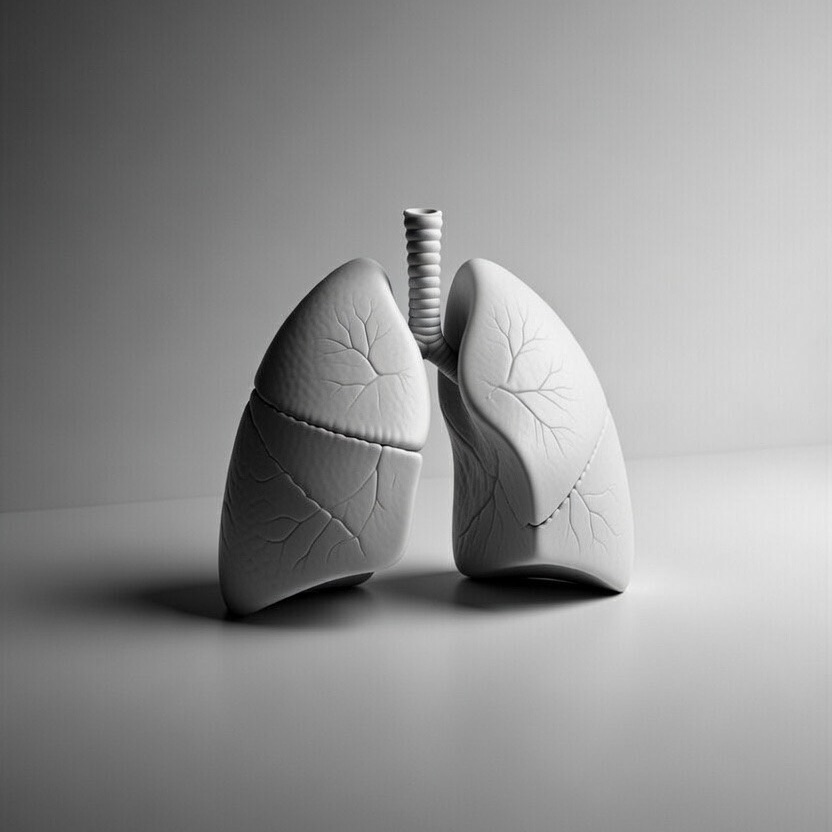
Diaphragmatic Nasal Breathing
When your breath moves the diaphragm instead of the chest, you activate your parasympathetic nervous system, improve oxygen exchange, and help stabilize the upper airway. It’s one of the simplest ways to calm the body and support better breathing during sleep.
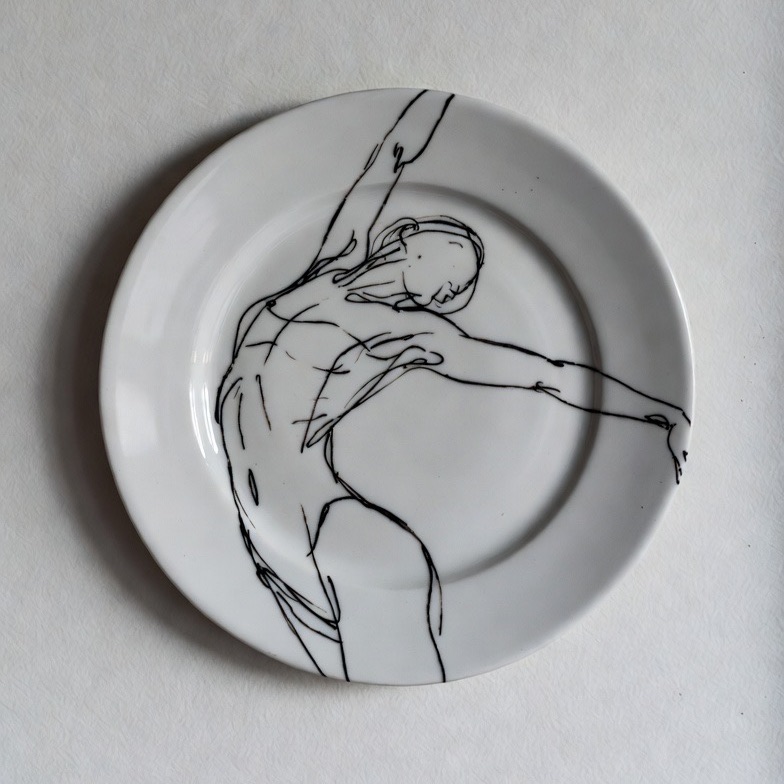
Movement
The fascial system wraps around your muscles, airway, rib cage, and diaphragm. When it becomes tight or restricted, it can limit rib expansion, diaphragm movement, and even head and neck posture. Releasing tension in the fascia helps the body move and breathe more freely—especially during sleep when your airway needs to stay open.
What can you expect from Airway Coach?
Through simple video modules, one-on-one coaching and guidance on the best tools available, you’ll learn how to improve nasal breathing, strengthen your airway and build habits that support deeper, more restorative sleep.
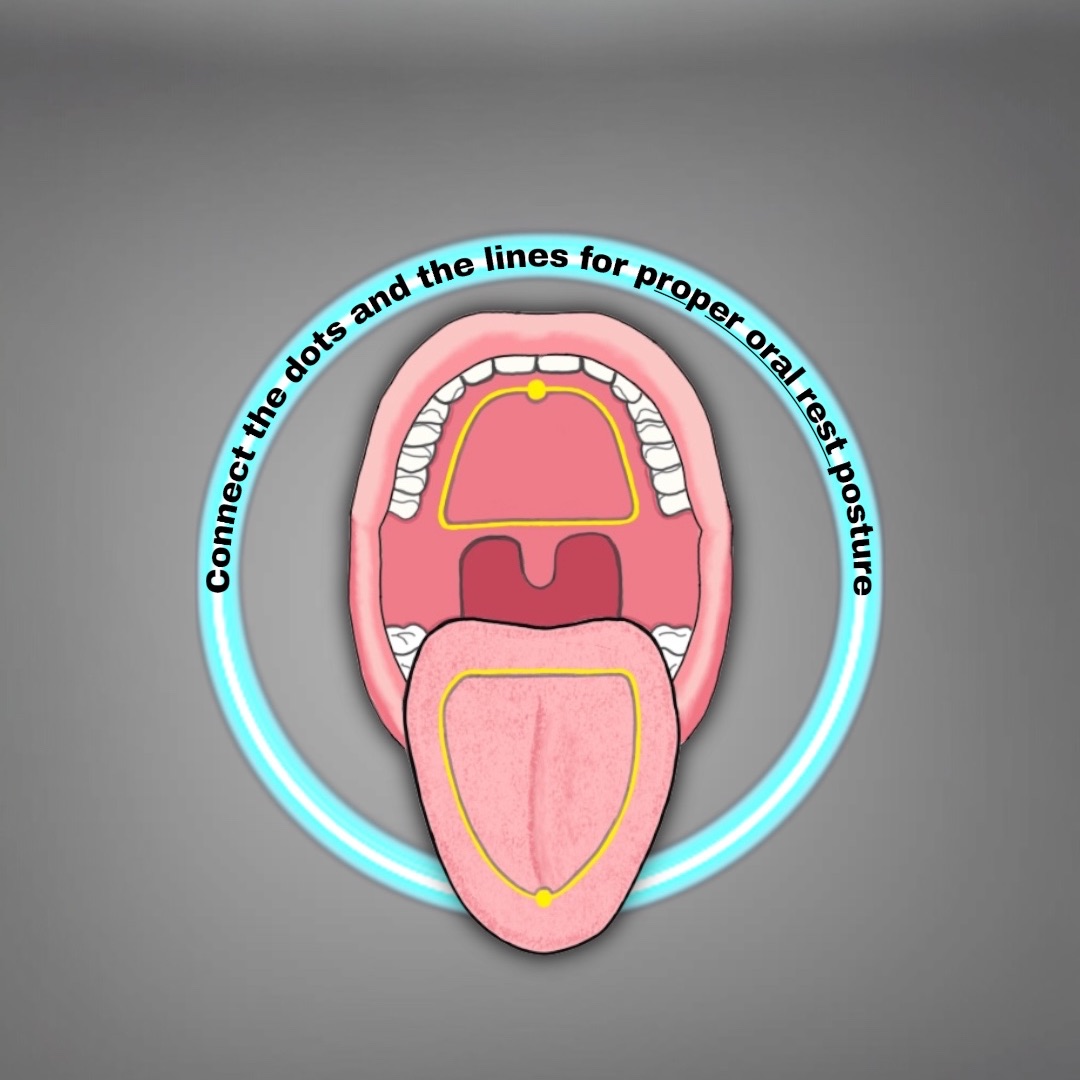
Form follows Function
The way you use your tongue, posture and swallowing patterns shapes the structure of your face and airway over time. When the tongue rests on the palate, the lips stay sealed and swallowing happens correctly, the muscles guide healthy growth and help keep the airway supported.
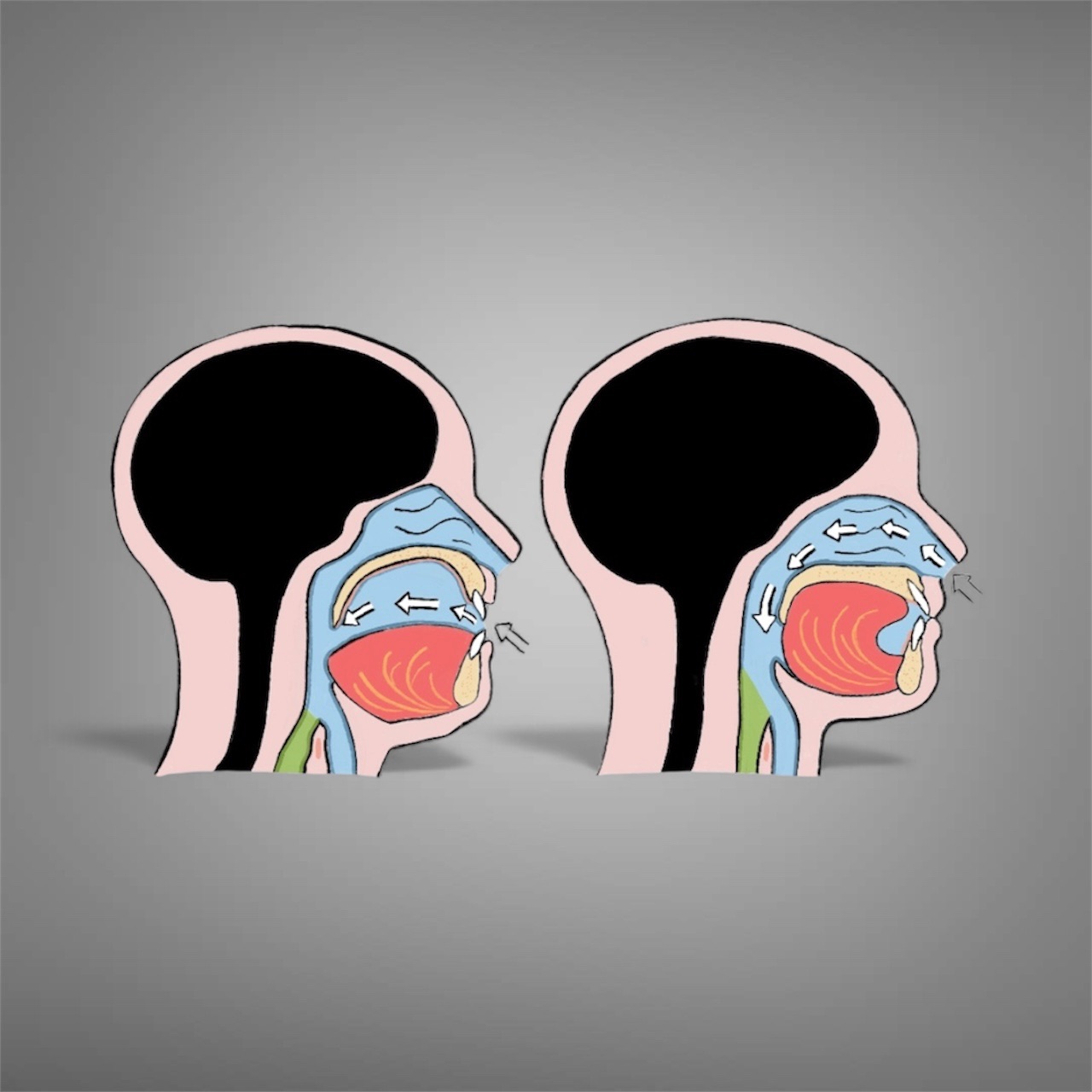
Habitation of nasal breathing
Methods like Buteyko Breathing Method, improving nasal airflow with gentle decongestion or dilation, and optimizing sleep posture all help retrain the body to prefer nasal breathing day and night. Over time, these small habits build a stronger, more stable airway and support deeper, more restorative sleep.
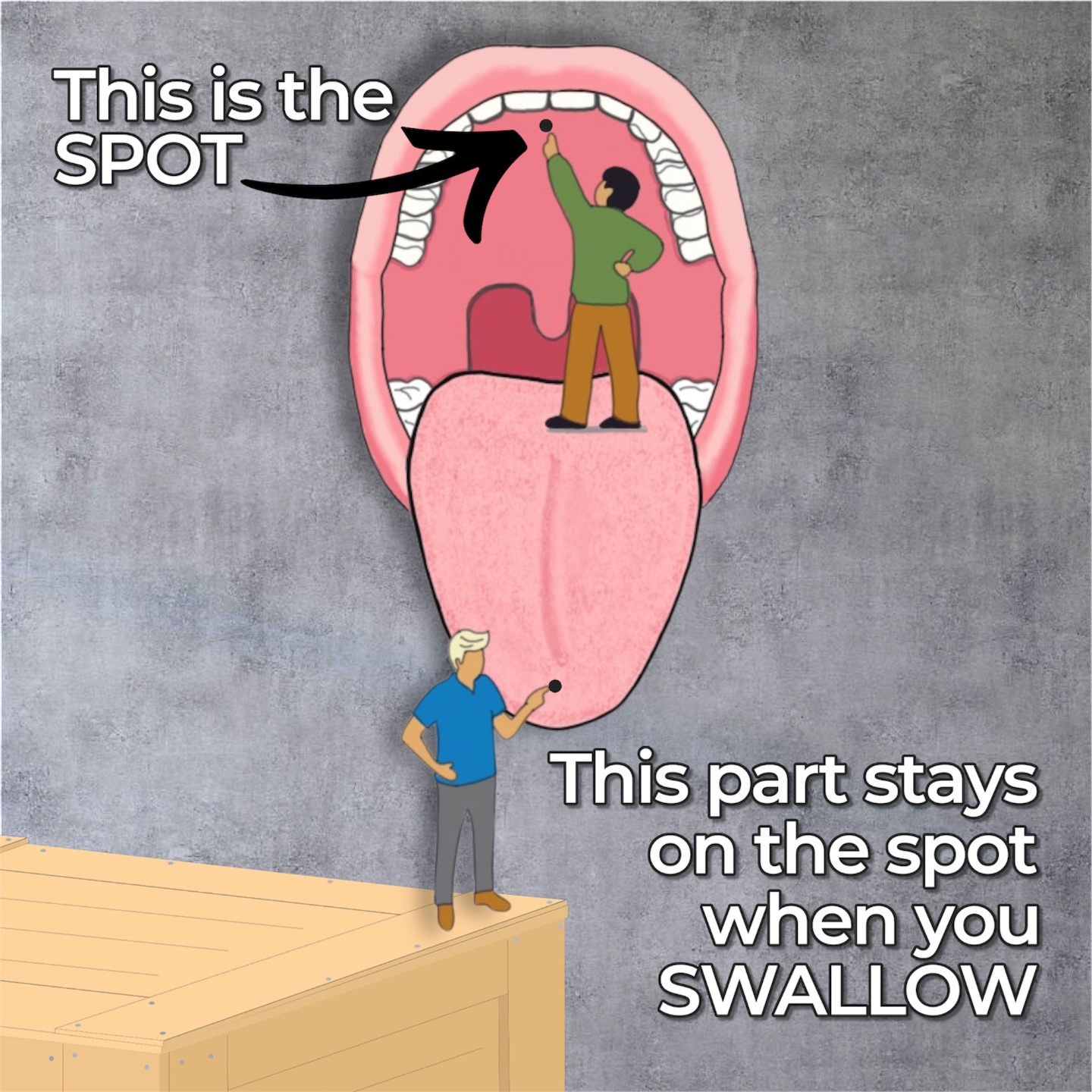
Strong Tongues help you breathe better while you sleep
The tongue is a key muscle that supports the upper airway. When it’s strong and rests on the palate, it helps keep the airway open and reduces the chance of collapse during sleep. Strengthening the tongue can improve stability, support nasal breathing, and help you wake up feeling more rested.
Membership means unlimited access
Not only do you gain access to the entire video education course you can also watch every past educational summit featuring experts in the field of Airway Health.
Breathe better while you sleep, regardless of your cranial facial respiratory development
With behavior modification and consistent daily exercises, you can create an environment where function begins to support the airway. Better habits with breathing, tongue posture and muscle training can help you breathe better at night.